



Art Exhibits: A Proven, Cost-Effective Technique For Marketing Your Hospital, Library, or Community Organization

Art Exhibits: A Proven, Cost-Effective Technique For Marketing Your Hospital, Library, or Community Organization

If your job involves marketing of a library, hospital, or other community-oriented organization, you understand the importance of leveraging every budget dollar to produce tangible benefits.

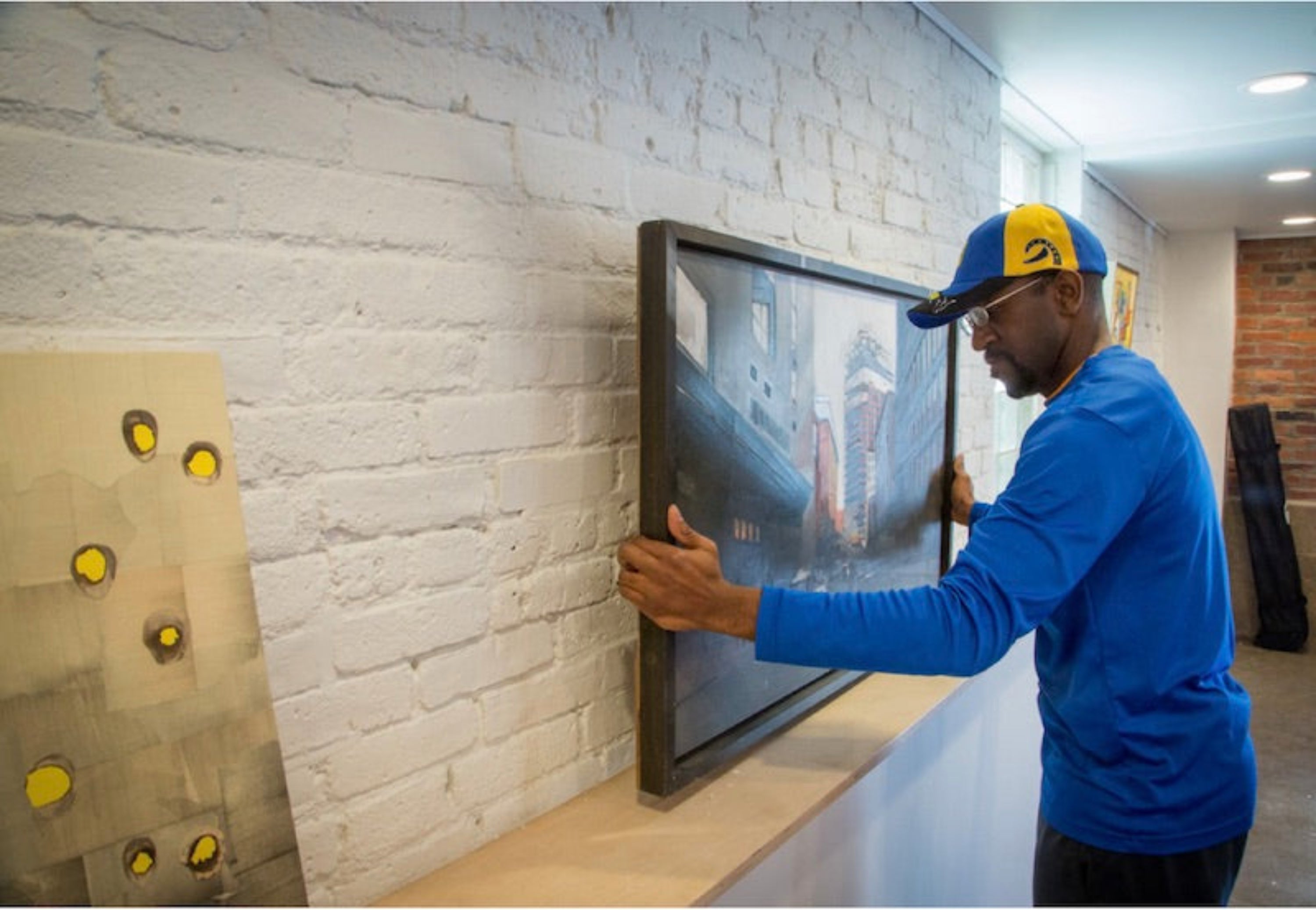
There is growing evidence that patients experience less anxiety and have a better treatment experience when surrounded by quality art like that seen in this exhibit at the Massachusetts General Hospital.
Art exhibits are a proven, cost-effective method of doing just that. They attract new and repeat visitors, generate press coverage, produce word-of-mouth buzz, and enhance interior spaces. And with some up-front preparation, the ongoing management of an exhibit program can be an easy, enjoyable process for staff members, and a boost for your local arts community.

You can review our Ten Steps To A Successful Exhibit Program below. It’s based on interviews with successful art exhibit program managers at a variety of institutions, which have a diverse range of missions.

Serving Patients, Patrons, and Customers

In Boston, for example, the Massachusetts General Hospital’s Cancer Center has found that it can improve the treatment experience of cancer patients by sponsoring an ongoing art exhibit series at its oncology facility. The Illuminations series features work by local painters, photographers, and other artists in waiting rooms, and draws praise from patients and doctors alike.

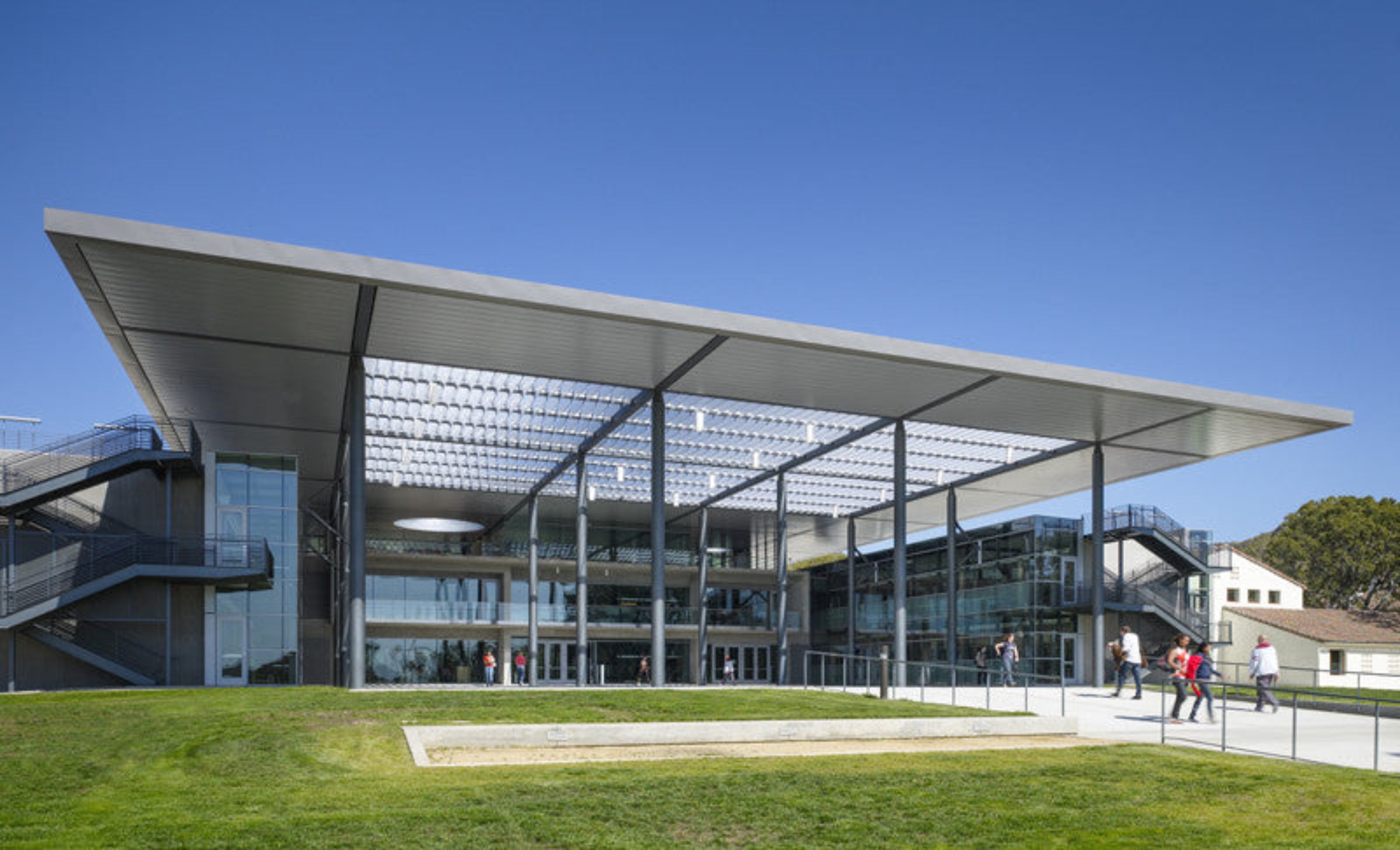
The Salt Lake City public library system offers several exhibits each year at all its branches, and new shows every six weeks at its main facility that draw be tween 2,000 and 5,000 viewers, generate press coverage, and create a new level of cultural connection for library patrons.

And the Cook Country Treasurer’s Office in Chicago uses an ongoing exhibition series in its public area to cultivate ties with community groups and raise its public profile.

The Salt Lake City public libraries use nine public art spaces for exhibits as well as demonstrations, drawing in new patrons and building stronger community ties - important aspects of any non-profit marketing program.
While some facilities have rooms dedicated to art display, it’s not essential - exhibits can be incorporated into lobbies, corridors, waiting rooms, or other under-utilized space. Integrating the art into the daily business of your building puts it in front of more people, and also keeps costs down.

Also helping with affordability is the wide availability of art. Because organizations can provide an audience and display space, and often opportunities for sales, many artists (even accomplished ones) will gladly participate, especially once a series establishes a reputation for quality.

Additional Marketing Benefits

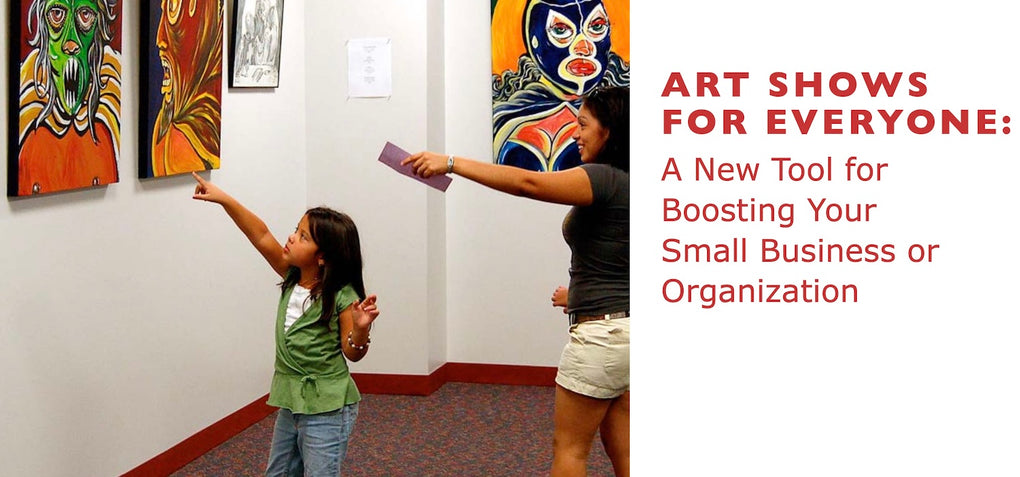
Across the board, the people who manage these programs cite a wide range of additional marketing benefits. One example: exhibit openings. They not only make for a good party, but also provide an excellent occasion to reach out to donors, patrons, and the community at large. Because the artists involved in the show typically do their own promotion, these events can bring in hundreds of new visitors who might not even know about your organization. Openings are also a perfect opportunity to seek media coverage.

There’s also the visual benefit of having good art in your facility. This is the ma in point of the MGH Cancer Center program. Program manager and art therapist Stefanie Ryan notes that the center’s medical directors find definite therapeutic value in creating a visually healing environment, and cites a growing body of evidence that patients treated in such environments experience less anxiety, request less pain medication, and recover more quickly.

Holding an exhibit opening is a great way to attract visitors and get publicity for your library, hospital, or other non-profit organization.
“We get a lot of positive feedback,” says Ryan of Illuminations, which covers 10 waiting areas, displaying 100 to 120 pieces from about 15 artists at a time, with exhibits changing three times a year. “Patients often contact the artists and let them know how much it meant to have their work there. Even in these financial times we’re expanding the program to our new center north of Boston.”

Administration Support

In Salt Lake City, the tradition of exhibits goes back to the 1970s, and represents "a real feature for people who visit the library," says Howard Brough, who oversees the gallery program in his role as assistant manager of the library system's Level 4 Audio-Visual Department. As a result, "Our administration has been very supportive of it. For many patrons, it's their only interaction with quality artwork, and they get the opportunity without a separate trip. We also get our fair share of publicity."

Hazel Barr, a corporate relations executive at the Cook County Treasurer’s Office, says the office’s exhibit series “is a way of creating better relations with the community – people look forward to it, and visitors comment on it all the time. We couldn’t do without it.”

The Salt Lake City public library system's active art display programs not only give patrons an aesthetic experience, but also generate press coverage and other public relations benefits at low cost.
Costs typically include staff time for solicitation of artworks, review of submitted work, setup and takedown of the exhibit, and general program management. The exact number of hours varies widely with scale; Ryan spends about 20 hours per week on the ambitious MGH program, and she and Brough both say that hanging a substantial show represents a day of work (the process can be accelerated with use of a permanently installed hanging system that replaces nails in walls).

So, how does an organization’s marketing department start holding art exhibits? Here’s some advice from experts we’ve interviewed:

Ten Steps to a successful Exhibit Program

  1. Form a team. “It’s good to gather a group of people who will be supportive of the project,” says Stefanie Ryan of the Massachusetts General Hospital. “It’s a lot of work for one person, and you really need a committee to help select the art, hang the shows, and maybe come across an interesting artist in their travels. It’s a very unique committee to be part of.” It’s very helpful to have at least one member with some background in visual art, adds Howard Brough of the Salt Lake City library system.
  2. State Your Mission. To succeed in the long run, exhibit programs must have a clear purpose and goal (e.g., provide a healing environment for patients, create a visual art presence in a community that lacks one). A formal mission statement can articulate these, and serve as reference point to keep things on track when decisions have to be made or new ideas are presented.
  3. Picture hanging systems, like these at the Cook County Treasurers Office in Chicago, are extremely useful for quick exhibit setup and arrangement, and also eliminate wall damage.
    Start Small. Choose one modest-sized space to work with, and do a trial exhibit, perhaps with an artist or artists you’re acquainted with, before soliciting submissions. Once up and running, set a manageable exhibit schedule.
  4. Solicit Like A Pro. “The more professional you can make the interaction with the artists, the more professional material you will get,” advises Brough. This means being organized, having paperwork ready, and communicating well. “Once you’ve exhibited two or three really strong local artists, the whole body of artists who are doing more professional work will start to see you as a viable space.” MGH’s Ryan notes that she and her colleagues attend open studios, art walks, and other events to scout talent, and also run a continual classified ad seeking submissions in the leading regional arts newspaper.
  5. Schedule Around Your Team. Reviewing incoming submissions is a very enjoyable process, but it takes time and a clear mind. Some organizations review submissions at a monthly lunch meeting; others have one large review session for each exhibit. Ask your colleagues and make it easy on them.
  6. Choose Cool Stuff. Remember that art should draw a person to it, and make them want to look, counsels Ryan. “You can always put up lots of landscapes and flower paintings, and we avoid aggressive images, but it has to be interesting and engaging. For our current exhibit we have some beautiful quilts, and portraits made of buttons, and it really helps people get out of the moment.”
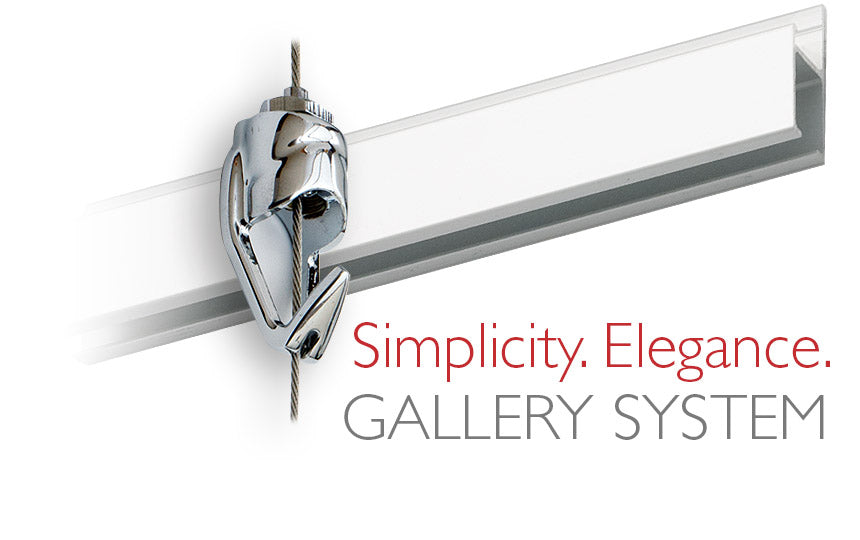
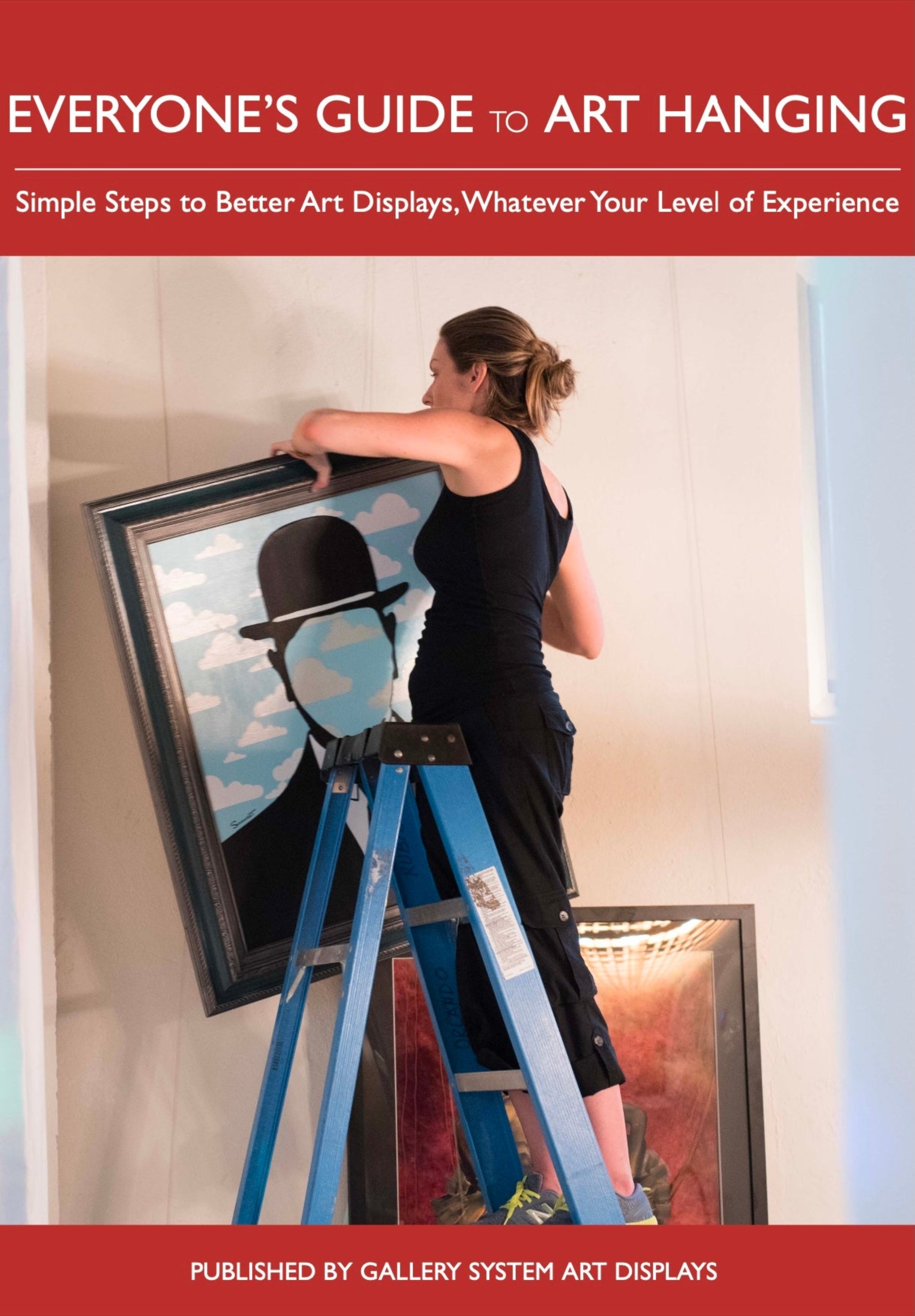
  7. A picture hanging system is an excellent marketing investment for libraries, hospitals, community centers, and other organizations that need to make the most out of their marketing dollars.
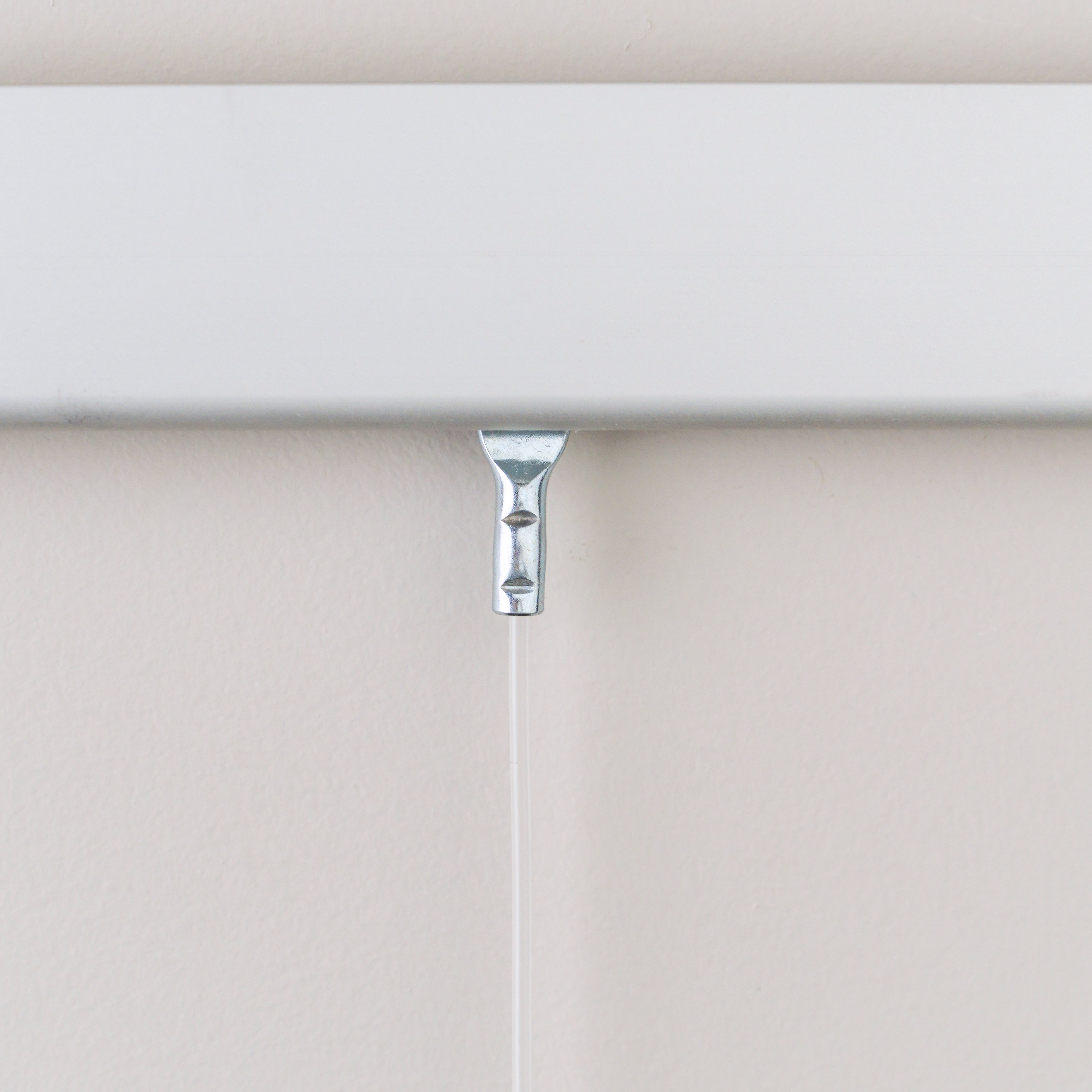
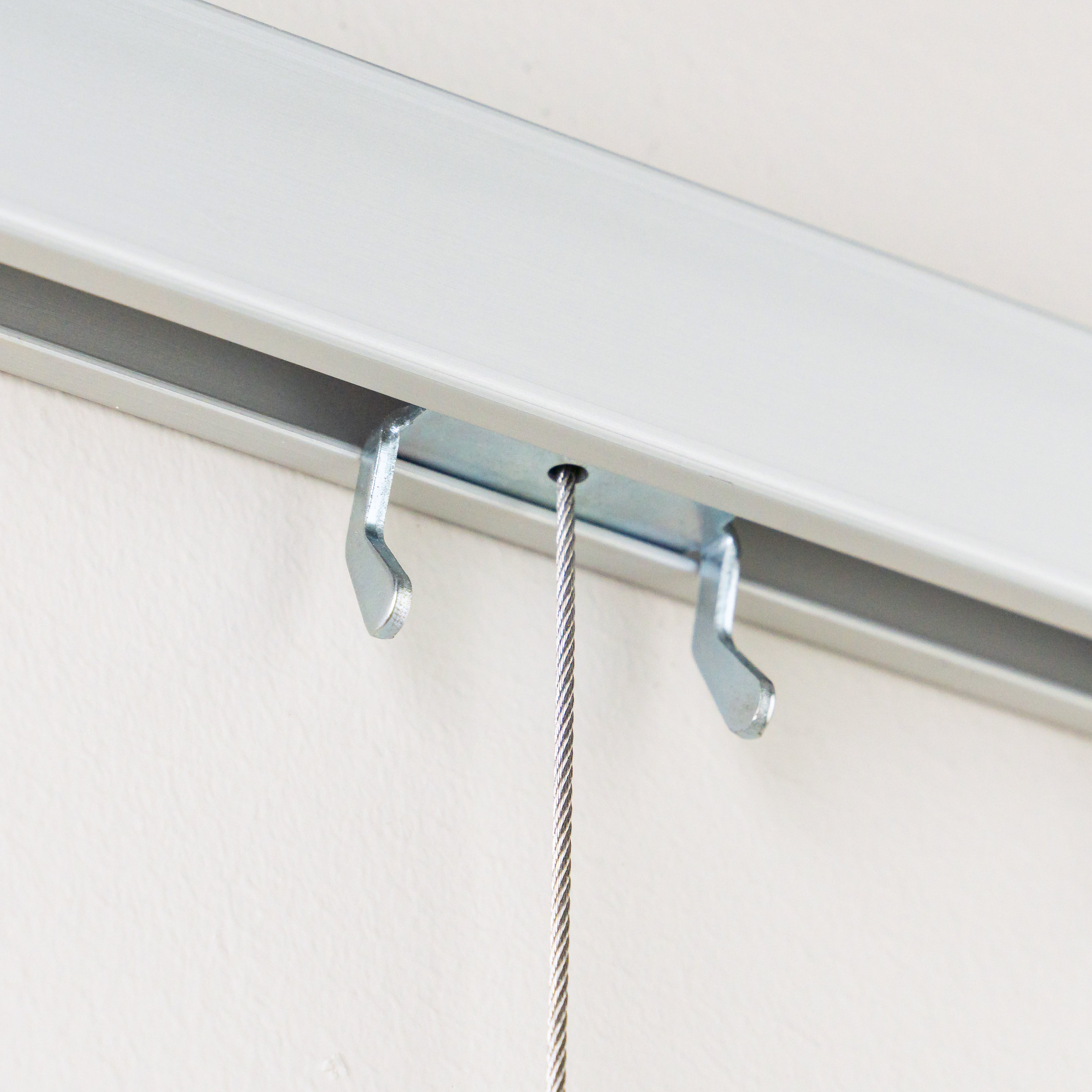
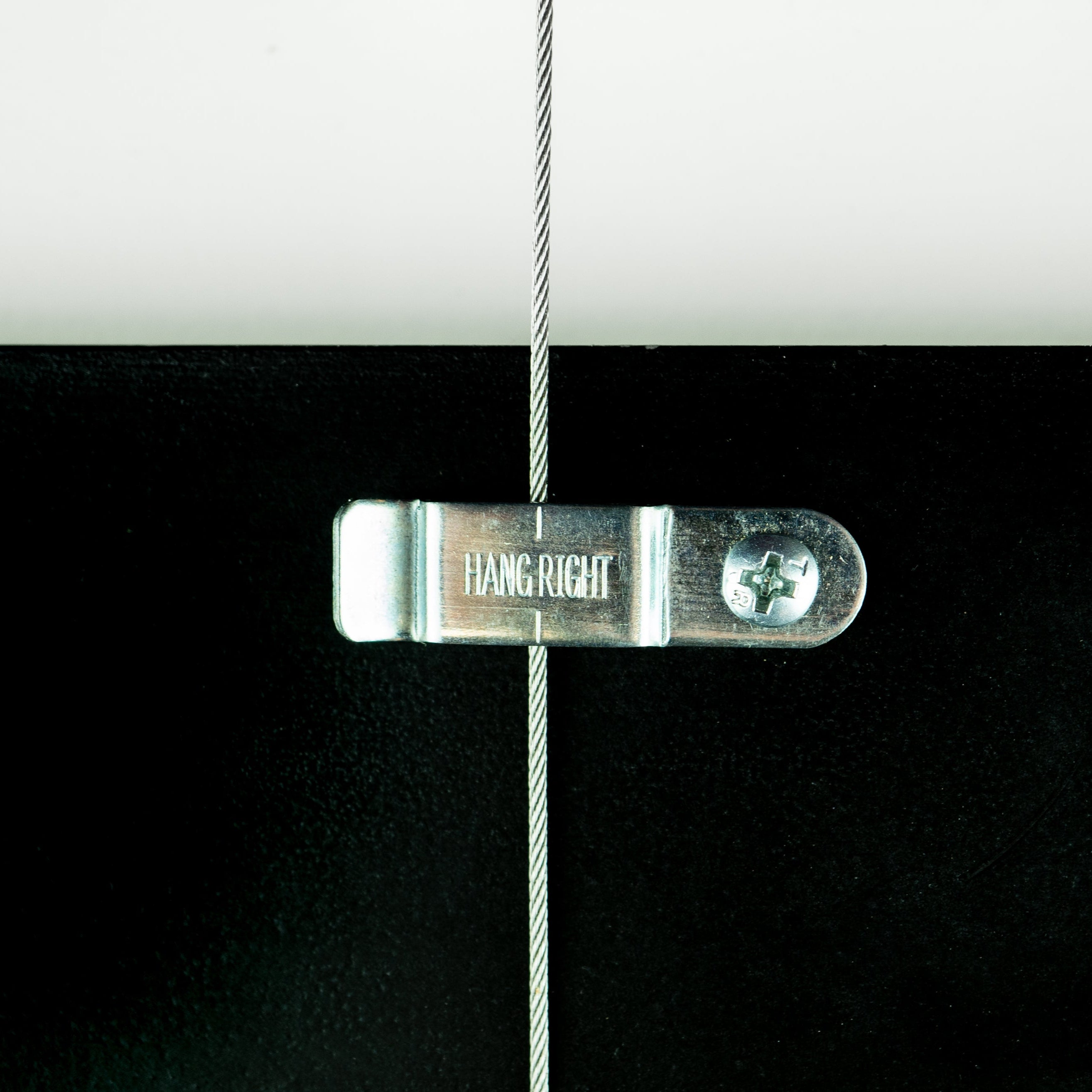
    Equip Yourself. Many institutions find that a picture-hanging system like the Gallery System extremely useful – the wall-mounted system allows quick hanging and easy adjustment of a wide variety of art, and requires no custodial assistance for nails or wall repairs. A few small hand tools (pliers, wire cutters, screwdrivers) are also useful, as is a spool of picture wire.
  8. Have Your Papers In Order. Making a collection of standard documents is an essential step. A standard news release form is useful for promotional activity. You will also need acceptance and rejection letters, and a standard contract inclu ding provisions for drop-off and pick-up of works, who will pay for insurance, and other logistical matters. “We recently added a form that outlines the artist’s responsibilities – the artist has to sign it, and initial the points, like each work having to have hanging wire on it,” says Ryan. “The information was already in the forms, but this was a way to clarify and reiterate it.”
  9. Plan For The Unexpected. “When issues come up, like who pays for insurance of the art, or how you deal with public reactions, you’ll be ready if you have policies and procedures in place,” says Brough. “It doesn’t mean things won’t come out of the blue, but at least you won’t look like you’re making things up as you go.” This is especially important for publicly funded organizations, which may need to publish the procedures and criteria they use for selection of works. Review by your organization’s legal advisor might be in order.
  10. Massachusetts General Hospital used periodic surveys of attendees to discover that abstract art is an unexpectedly popular genre.
    Seek Feedback. “We put comment cards out, especially around our fifth anniversary, to judge how we were being received and what kinds of work people liked,” says Ryan. “We had thought abstract art might not do as well as others, but it came in not far behind representational painting and photography.”